Thread count explained: what matters more than the number
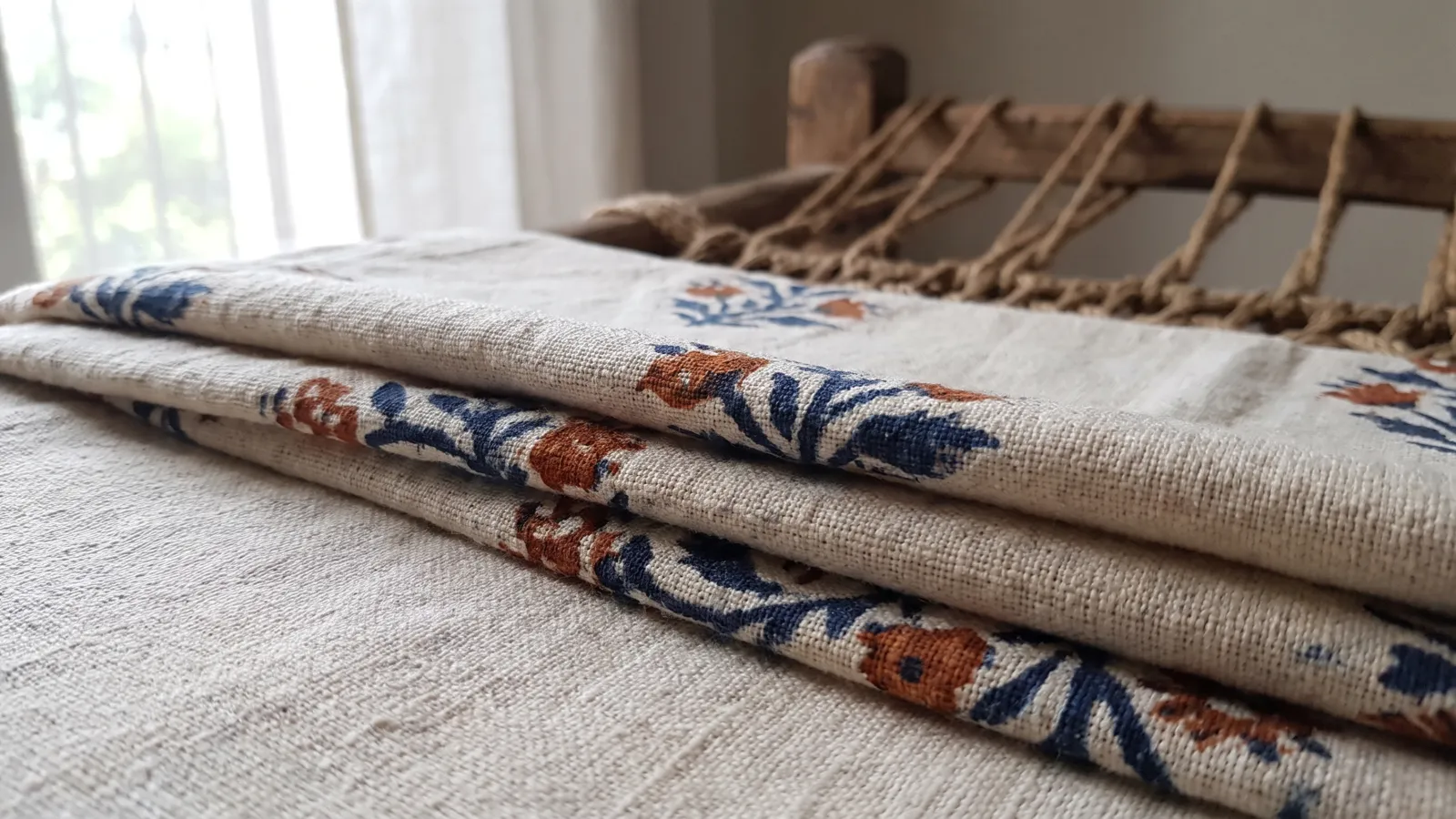
Walk into any bedsheet shop or open any shopping app, and you will see big numbers on the packets: 300 TC, 600 TC, even 1000 TC. Many people believe the higher the number, the better the sheet. That is only partly true. Thread count is one small part of the story. In this article we explain what the number means, why it can mislead, and what you should look at instead.
What thread count actually means
Thread count is the number of threads woven into one square inch of fabric. It adds up two sets of threads:
- Warp threads: the ones running along the length.
- Weft threads: the ones running across the width.
So if a fabric has 150 threads one way and 150 the other way in a square inch, its thread count is 300. A higher count usually means the threads are finer and packed closer, so the fabric feels smoother and a little heavier.
Why a very high number can mislead you
There is a limit to how many threads can fit into one square inch. Once you go above about 400, some makers start counting in a different way. They use multi-ply yarns, where two or three thin threads are twisted together into one. Then they count each thin strand separately.
So a "1000 TC" sheet may really be a much lower count made with twisted yarns. It is not always better. In fact, such sheets can feel heavy, stiff and warm, which is not what you want in a Hyderabad summer.
This does not mean every high-number sheet is bad. It means the number alone does not tell you the quality.
What matters more than the number
When you are choosing a bedsheet, these things affect comfort far more than the printed thread count:
- The fibre. Cotton, polycotton, microfibre and others all feel and behave differently. Our guide on which bedsheet fabric suits Hyderabad weather explains each one.
- The quality of the cotton. Long-staple cotton (cotton with longer fibres) makes smoother, stronger yarn. It feels softer and pills less than short-staple cotton, even at the same thread count.
- The yarn. Single-ply yarn usually feels lighter and breathes better than multi-ply yarn.
- The weave. A plain weave (often called percale) feels crisp and cool. A satin or sateen weave feels smooth and has a soft shine, but can feel a little warmer.
- The finish and dyeing. Good dyeing and finishing help a printed sheet keep its colour and feel after many washes.
A sensible range for Indian homes
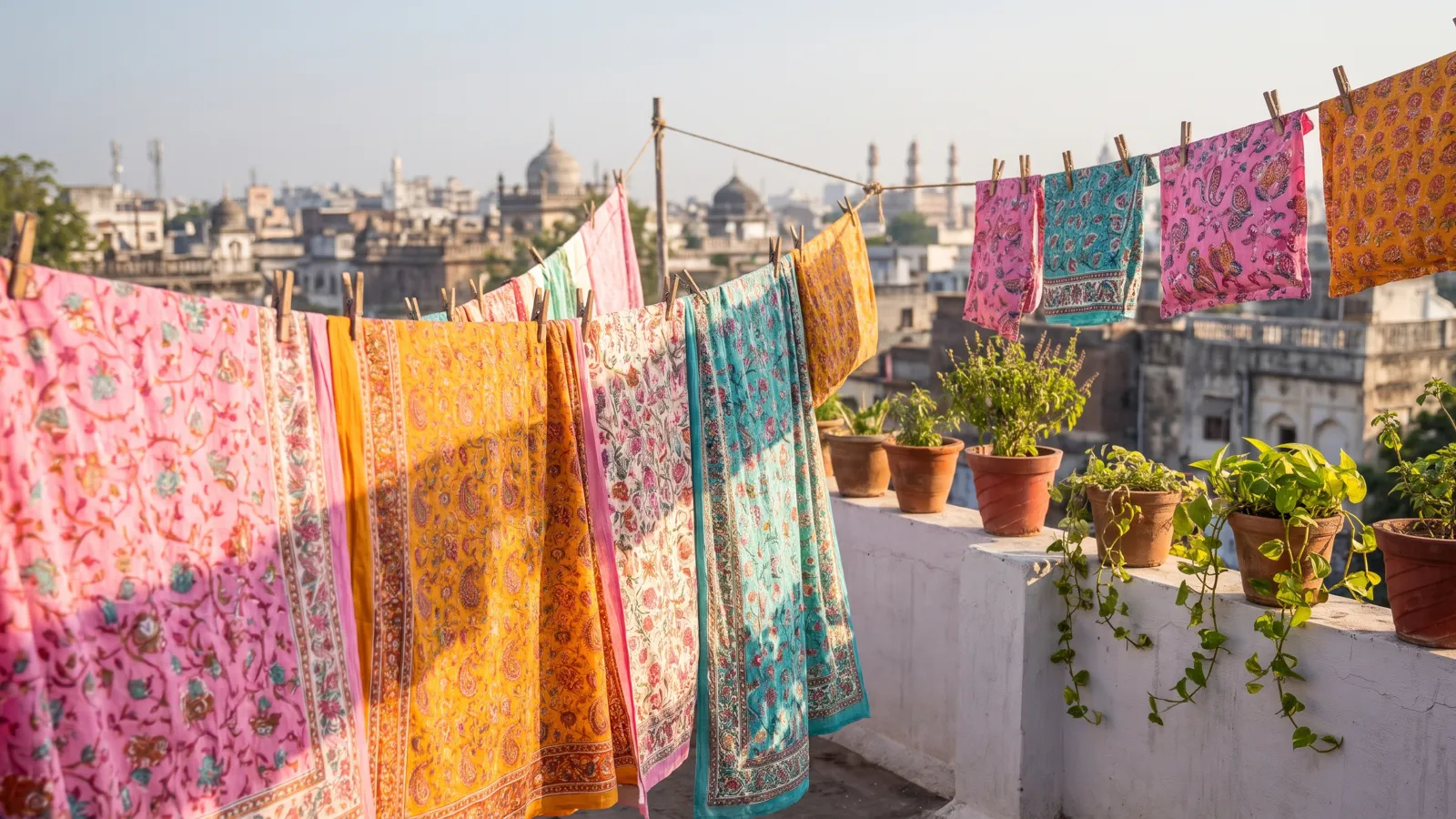
For everyday cotton bedsheets, a thread count somewhere in the range of 200–400 is usually comfortable and practical. Sheets in this range breathe well, dry quickly on the line and handle regular machine washing. That suits most Indian homes, where sheets are washed often.
If you see a number much above 400, ask how it was counted. If the seller cannot explain, treat the number with care and focus on how the fabric feels instead.
How to judge a bedsheet without trusting the label
You do not need a lab to judge a sheet. Try these simple checks:
- Touch it. It should feel smooth, not rough or plasticky.
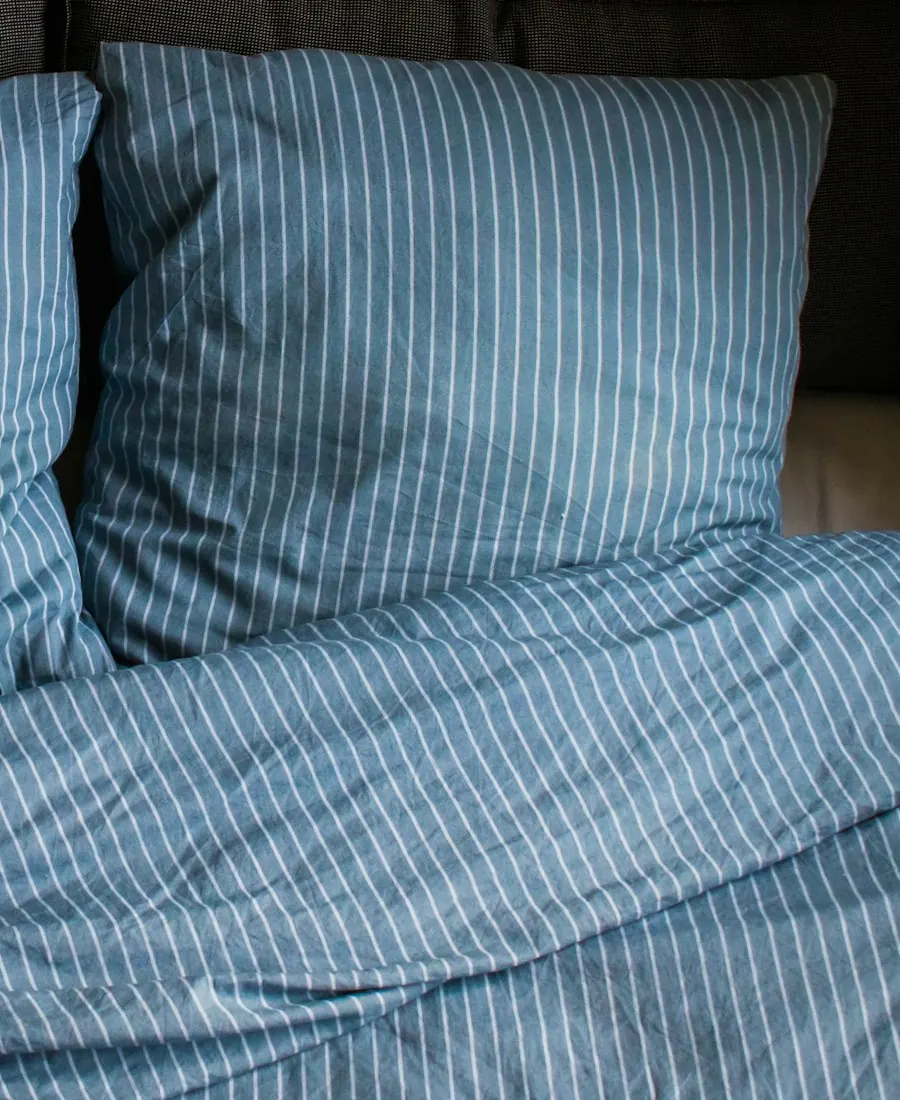
- Hold it up to light. A very loose weave with big gaps will wear out quickly.
- Scrunch it. Some wrinkling is normal for cotton. Very stiff fabric may be heavily finished with chemicals that wash out.
- Check the label for the fibre. "100% cotton", "polycotton" and "microfibre" are very different fabrics.
- Ask questions. A good seller will tell you the fabric and how to care for it.
And remember, a sheet that fits your bed properly will feel better than an expensive sheet that keeps slipping off. Check our size guide too.
Ask us before you buy
We would rather you buy a sheet you are happy with than one with a big number on it. If you want to know the fabric details of any design, just ask us on WhatsApp and we will tell you what we know. You can look through all our designs, pick the ones you like, and message us with your questions before you order.